

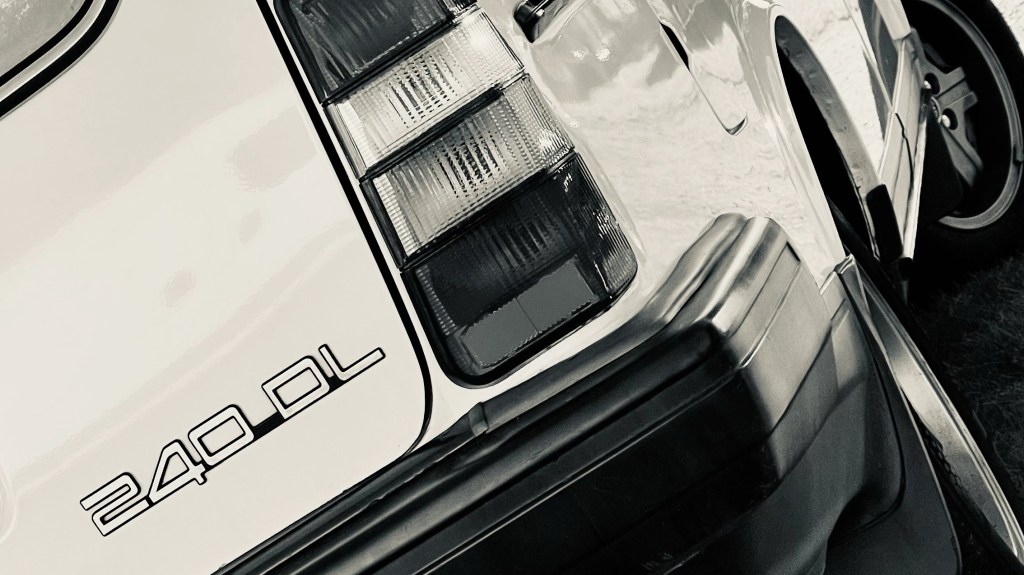
Car-buying Brits have a long-term love affair with commodious estate cars, even though ever-increasing SUV sales have caused relationship difficulties in recent years
In 2023, Volvo, arguably the most famous purveyor of wagons, championed by antiques dealers, terrier ferriers and caravanists alike, announced estates were to be deleted from its price lists, but reassuringly, other brands are sticking with the format for the foreseeable.
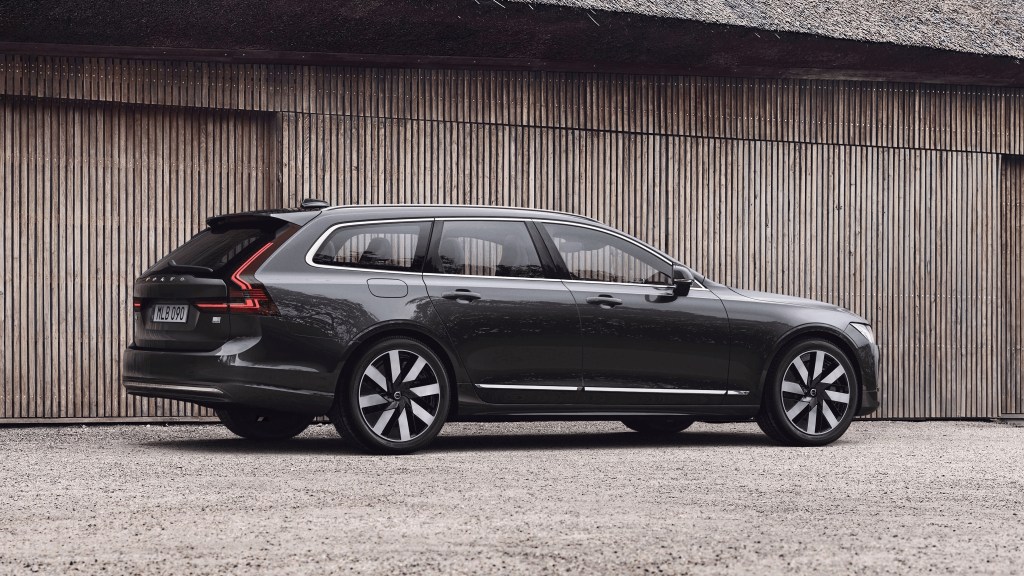
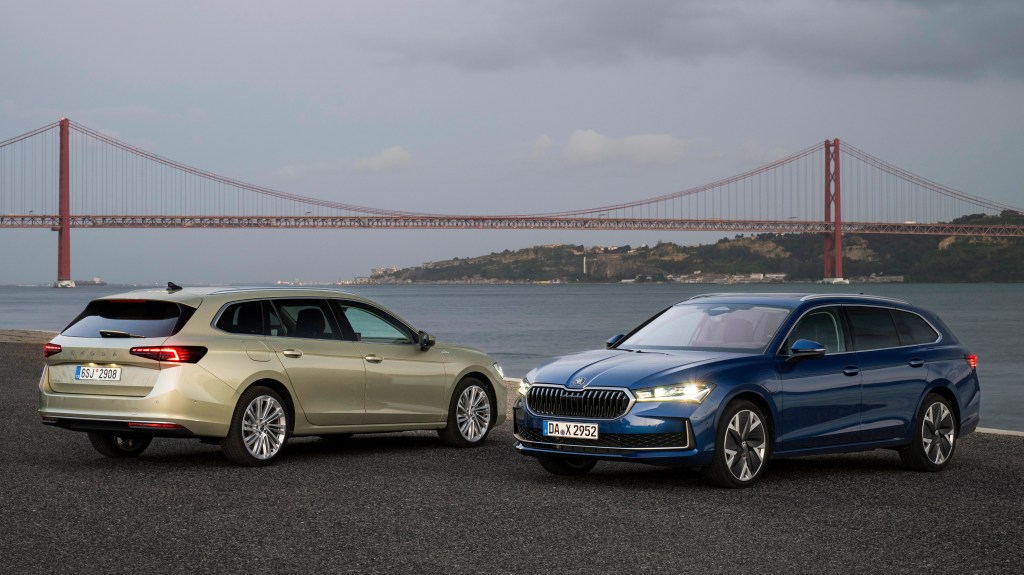
Skoda’s fourth-generation Superb went on sale in estate guise in spring-2024, shortly after the ninth iteration [depending upon how you count them] of its close cousin, Volkswagen’s Passat, appeared in showrooms with the estate being the only bodystyle choice this time around.
VW hasn’t finished there, as the electric ID.7 Tourer will reach the UK by summer 2024, making it a less-pricey alternative to BMW’s box-fresh i5 Touring, which itself has petrol-powered 5 Series alternatives to follow in short order.
There’s plenty of life in the old dog (carrier) yet.
What’s less well-known is that despite the first estates appearing more than a century ago – around the same time that ‘enclosed’ cars started gaining market traction by appealing to motorists fed up of getting soaked during inclement spells of weather – courtesy of a quirk in the law it wasn’t until the 1950s that their popularity in Britain began to take hold.
Were estates somehow illegal up to that point?
No, far from it. During the inter-World War years, utility vehicles – to use the period-correct generic terminology for the bodystyle – had loyal bands of devotees.
At the pricier end of the scale, high-end coachbuilders were commissioned by well-heeled clientele to build luxurious-yet-practical bodies, capable of effortlessly conveying passengers and cargo around established country estates, hence the origin of that term.
Many additionally featured a finely crafted gun cabinet installed aft of the seats, from which shooting brake was derived.
For those of more average financial means, utility vehicles with folding rear seats allowed those working in trades or commerce to make the most of the van-like space for transporting their wares during the day, yet quickly convert it into a family-friendly car for evening and weekend use.
It’s that ‘commercial’ aspect which snared estates in a legal knot.
How were estates impacted by the law?
While the legal status of utility vehicles caused their owners various issues in relation to insurance and taxation, they weren’t as detrimental to estates’ appeal as the law which categorised them as vans.
By being classed as a commercial vehicle – even where owners could prove that they had made the rear seats permanently fixed in an upright position, negating their ability to be usefully van-ish – it was unlawful to drive an estate at a speed in excess of 30mph outside of built-up areas.
In practical terms, a driver of a wooden-bodied Ford V8 utility in the late-1930s may have embarked upon a journey north of London, cruising up the Great North Road at a comfortable 60mph, while being overtaken by other motorists at speeds well in excess of that.
Yet if said woody owner was caught by a speed trap, it was highly likely they would be prosecuted and fined for such a dastardly breach of the law.
Rolls Spectre, the petrol Fiat 500 electric, 'enough' car – My week in cars: the Autocar podcast
I was minded of this recently by a recent Autocar column and follow-up podcast discussion by Messrs Prior and Cropley. Both pieces referenced how similar legal points still exist today, much to the chagrin and confusion of pickup and smaller van drivers alike.
When did the law about estate cars eventually change?
From the very first prosecutions of estate drivers exceeding 30mph through to the outbreak of WW2, various firms of solicitors, motoring organisations and even The Autocar (as it was then known) appealed to a series of Ministers of Transport for common sense to prevail and reclassify utility vehicles, but with no success.
As the aftermath of the conflict and nation’s subsequent financial hardships gradually gave way to the optimism of fresh beginnings of a new decade, the ridiculousness of this archaic law was finally accepted and amended in November 1950.
In the UK, that marks the point estates ceased to be vans and became cars, at least through the lens of the law, if not those who’d appreciated them for years already.
Yet, perhaps surprisingly given its supportive editorial stance in the years leading up to the legal change, it was the best part of a further year before Autocar finally put an estate through the rigours of its exhaustive Road Test procedure.
If you subscribe to Autocar’s online archive, you can read that Mk IV Hillman Minx Estate Car test, which blazed a trail that hundreds of station wagons have subsequently followed.
How about you: do you consider yourself an estate car advocate or does an SUV suit your needs better? Comment in the area below.


 The Joy Of Specs