

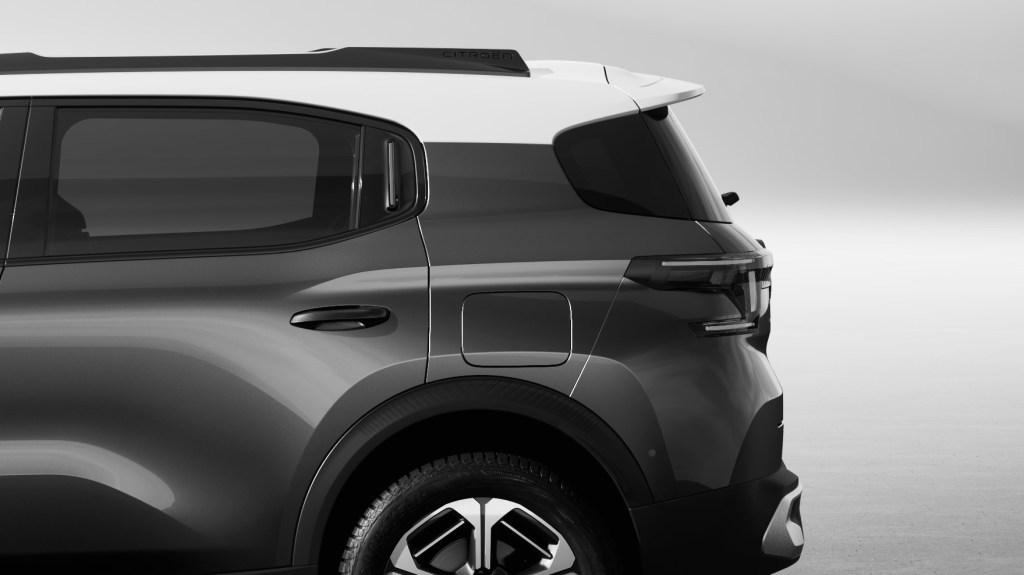
As people who know me will testify – and those who don’t are maybe beginning to twig – my automotive passion is deep-rooted; as fascinated as I am by models of the past, anything new equally captures my attention. Today’s case in point being the first official pictures of the latest Citroën C3 Aircross.
This second-generation SUV appears to tick various zeitgeisty boxes that will cause it to ping on the radars of many potential buyers.
A little larger than before, certainly, it’s still compact overall in spite of it having seven-seat availability; it also looks appropriately rugged, but it won’t be expensive to run thanks to its powertrains’ electrification.
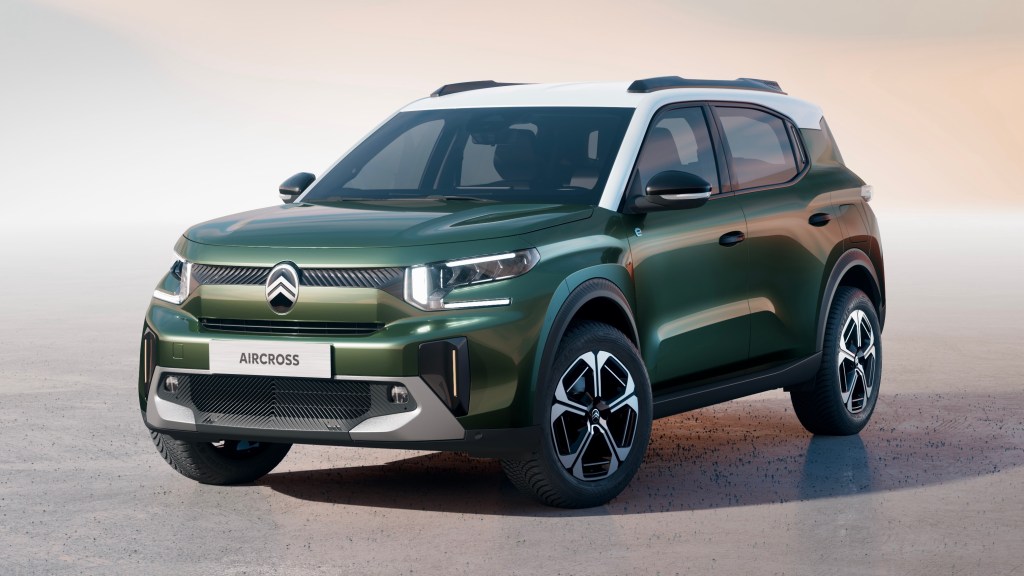
Something else caught my attention as I pored over the pictures, though – an increasing sense of déjà vu.
All SUVs look the same to me, anyway…
Well, that’s not a view I subscribe to, but the familiarity I felt is linked to styling.
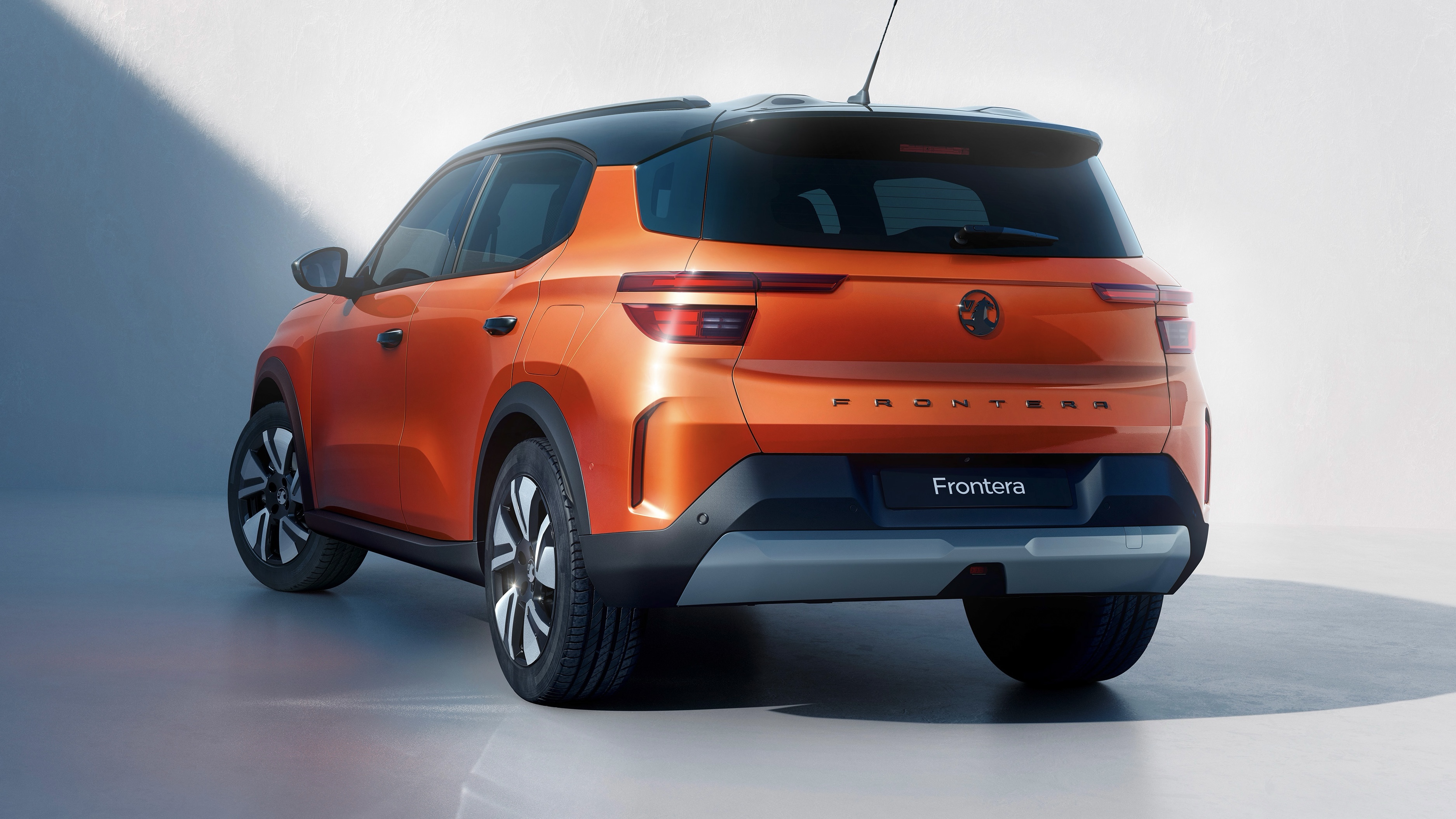
When Vauxhall (read Opel outside the UK) released the first images of its Crossland-replacing Frontera recently, I noted that although it largely followed existing styling cues with its showroom siblings, via its glossy black Vizor grille and relatively smooth, unadorened bodywork, the shape of framing around the rear side windows aped that of Citroën’s larger C5 Aircross.
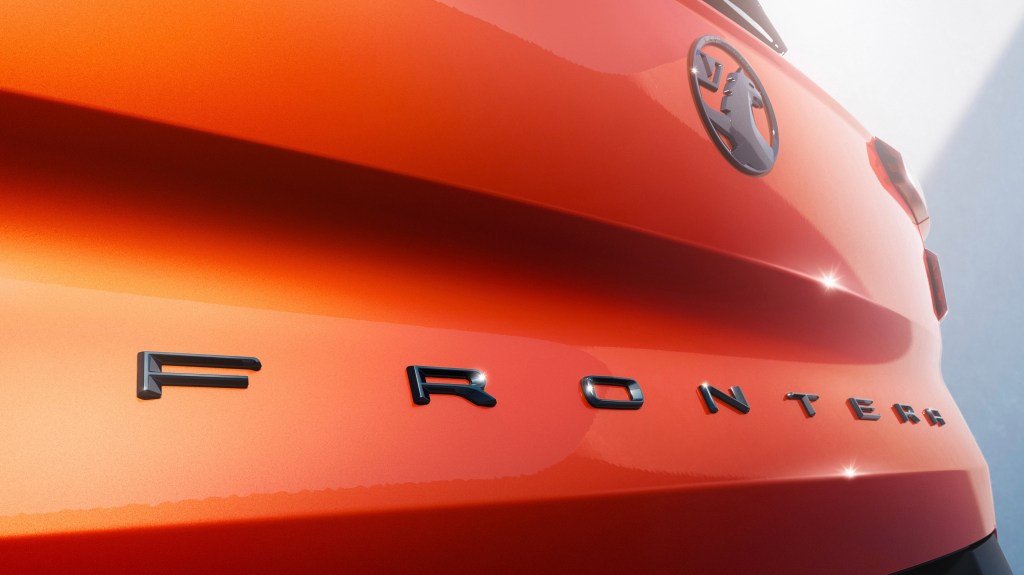
Now that we have proper sight of the smaller C3 Aircross, it’s evident that some of its exterior is shared with the Frontera, particularly around the rear three-quarters.
Why would Citroën and Vauxhall share bodywork?
It’s an expensive business manufacturing cars – the smaller the models are, the profit margins are similarly diminutive.
Costs are also increasing thanks to CO2-linked penalties for not selling the stipulated minimum percentage of zero-emission models, customers demanding increasing levels of on-board technology, even greater levels of investment are needed to achieve high-star Euro NCAP safety ratings… The list goes on.
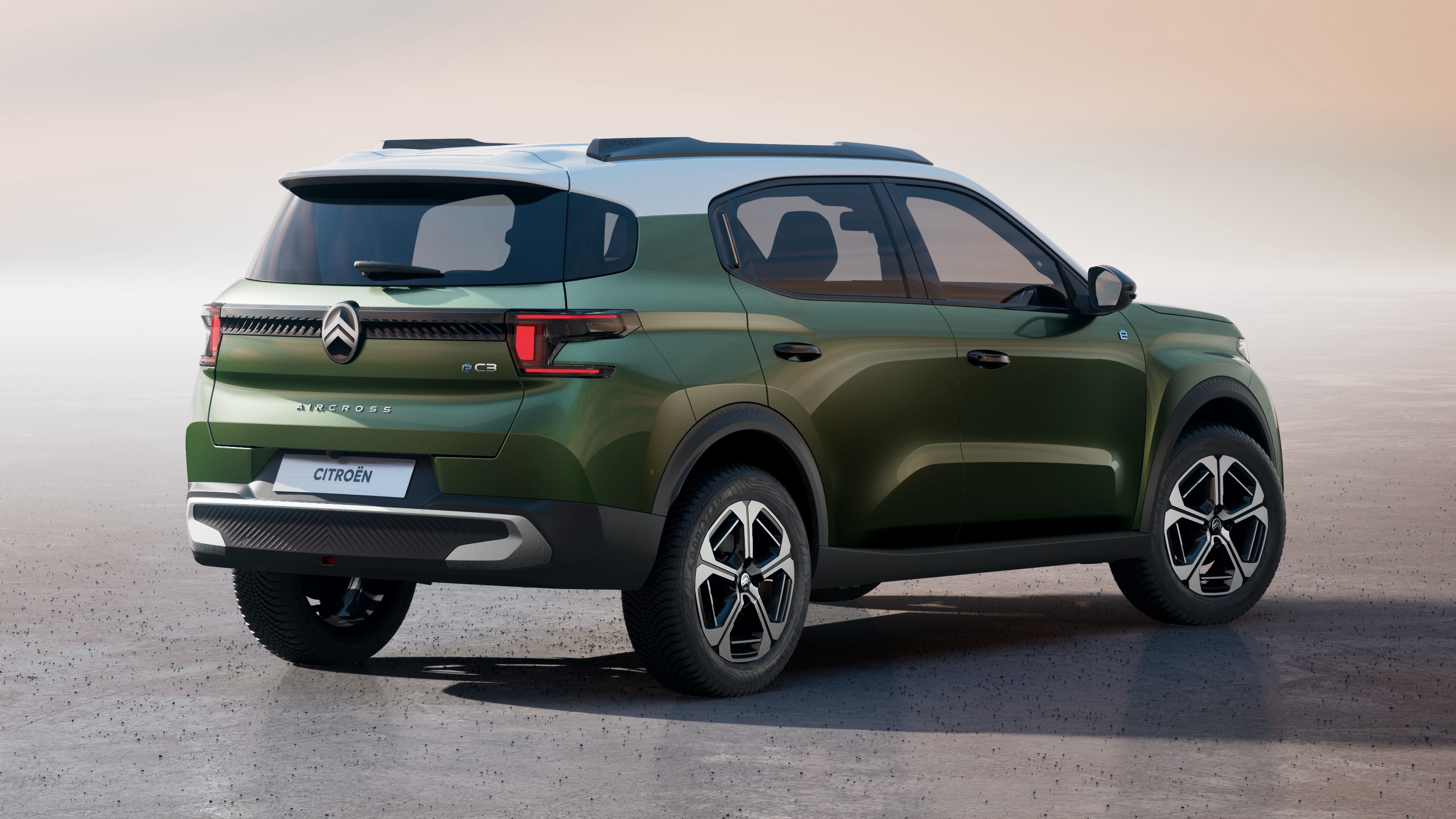
Inevitably, for large manufacturing groups such as Stellantis, the power house which owns the Citroën and Vauxhall marques, among many others, where costs can be spread far and wide, they are. Some European motoring publications are already speculating a Fiat with the same body panel isn’t too far away.
While most of that expense-sharing is predominantly done out of sight, with platforms, engines, electric motors, battery packs, transmissions and so on, from time to time commonality of bodywork is also on the agenda.
Given the rear wing pressing is an integral – and expensive – part of the basic ‘chassis’ structure, using it on more than one range of cars spreads the cost.
Won’t customers be put off by this?
While today’s car buyers are more genned-up than ever, the vast majority of customers want to believe they’re getting a good deal on a car that’s inxpensive to run, is safe, will easily connect to their phone and that they think looks great.
It’s highly unlikely they’ll care that the C3 Aircross and the Frontera share metalwork, even if they happen to notice the commonality when the two inevitably end up in adjacent parking bays.
And let’s face it, the styling areas which aren’t shared between the Citroën and Vauxhall are significantly differentiated from most angles.

While some quarters on social media may claim to find this more obvious sharing of parts ‘problematic’, the reality is it’s a pragmatic business decision made in what remains a challenging global economic environment.
Both the C3 Aircross and Frontera have been conceived to be sold and contribute to the Stellantis bottom line, not tick all of the boxes on marque enthusiasts’ must-have checklists. That they exist makes them part of each brand’s history, yes, but they’ve been created first and foremost to sate the needs and desires of compact SUV buyers generally, hopefully drawing in those who’ve never purchased a Citroën or Vauxhall before.
Surely bodywork sharing doesn’t happen that often?
Common body panels are a reality that’s almost as old as the car industry itself and continues today across many manufacturing groups. It’s not unique to the less-expensive end of the market, either.
Stellantis is already well-versed in the strategy, of course, albeit to an even greater extent with its van ranges, including their passenger car spin-offs, across an even broader suite of marques. It’s far from alone, either, and in every instance the rationale is about ensuring product viability.
Even where the visual differences between cars and vans offered with alternative branding are few, and customers are forearmed with such knowledge, it rarely appears to be a deal-breaker. Think about how many examples of the Volkswagen up! you see, even though the SEAT Mii and Skoda Citigo were usually cheaper, model-for-model, despite being largely the same product.
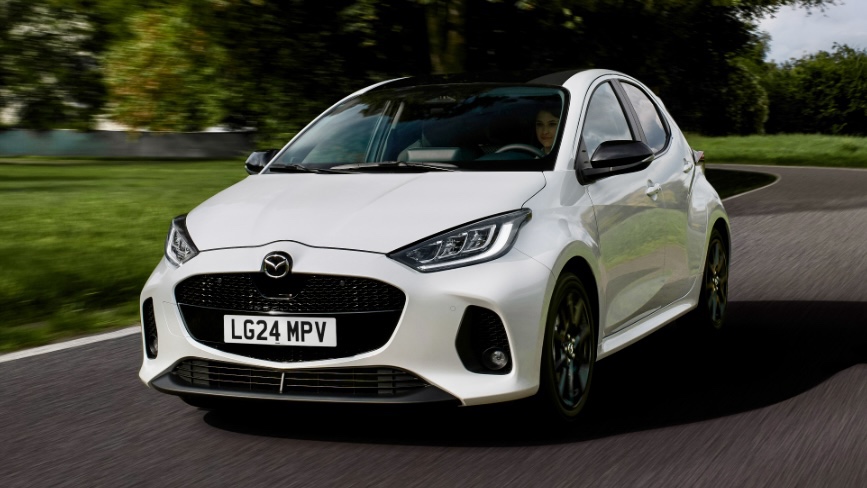
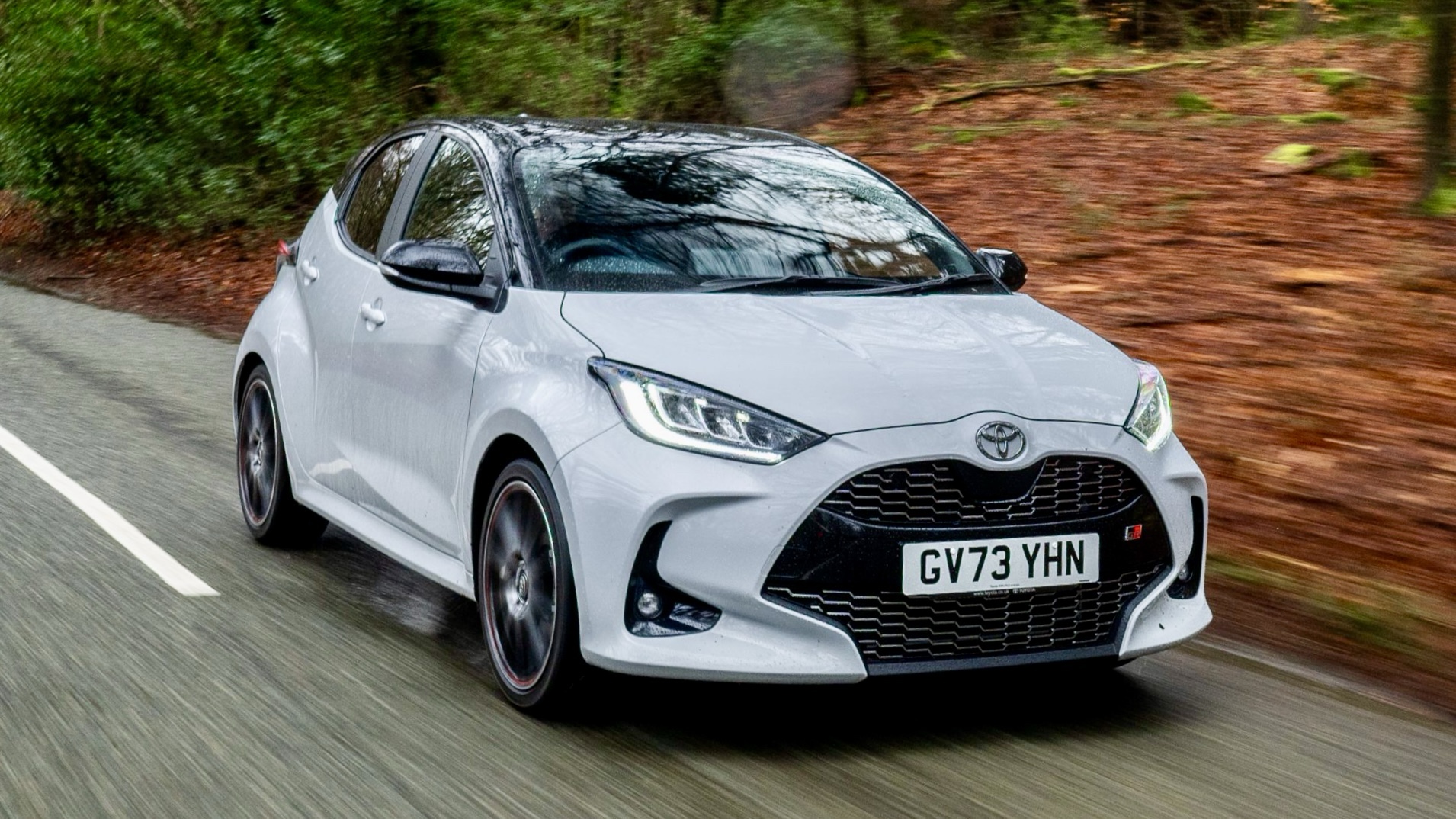
What exacty does motivate buyers to go for one brand over another in such circumstances is worthy of doctorate-level research, at the very least, and not something I’m going to attempt to dive into it here [praise be]. Nevertheless, I imagine such an investigation producing a wealth of gems; I wonder how many Mazda2 Hybrid buyers didn’t opt for a Yaris because a friend of a friend had told them they wouldn’t buy a Toyota?
Let’s see how things go for the C3 Aircross and Frontera cousins. I’ve little doubt that both will become frequent sights on the road, just as their immediate predecessors were, which ultimately should mean they contribute positively to Stellantis’s financial security. Job jobbed, and all that.
Whoever signed off the shared rear wing decision will be enjoying the fruits of their subsequent promotion long after the froth any faux outrage on social media has dissolved.
What’s your take? Do you mind how many parts of a car – visible or otherwise – are shared with another brand? Are some hardcore marque enthusiasts so steeped in a fixed point in time that nothing produced over the past however many decades has been worthy of the badge? Should the company have been even more radical and launched Stellantis as a brand in its own right? Comment in the space below.

 The Joy Of Specs
Leave a comment