

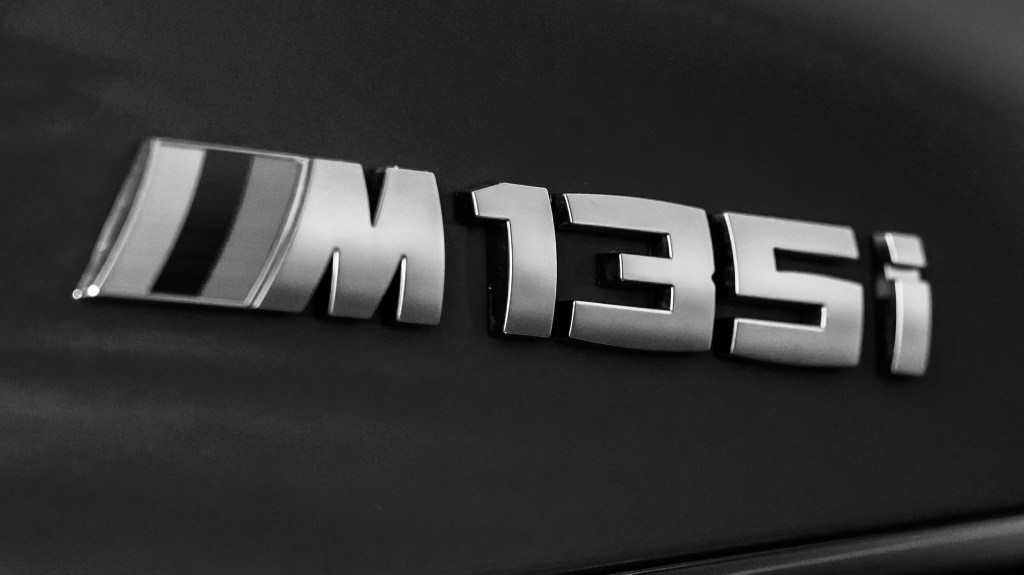
There’s been a surprising amount of fervent froth on automotive social media feeds in recent days regarding BMW’s facelifted 1 Series.
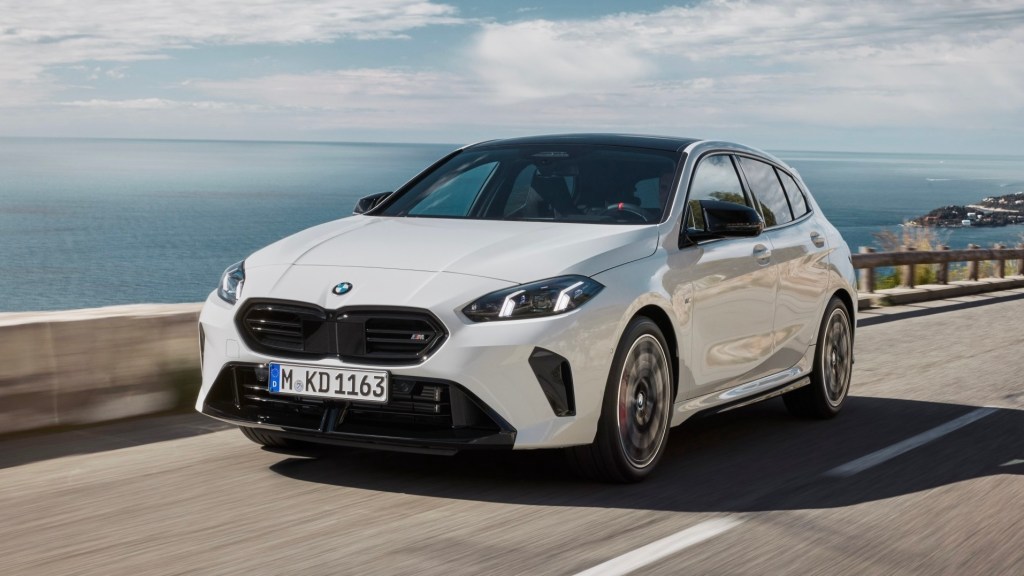
Curiously, perhaps, it’s not homed-in on this latest interpretation of the hallowèd double-kidney grille or the X2-aping tail lights, which appear to be disjointed to such a degree that they project an impression of originating from two different cars.
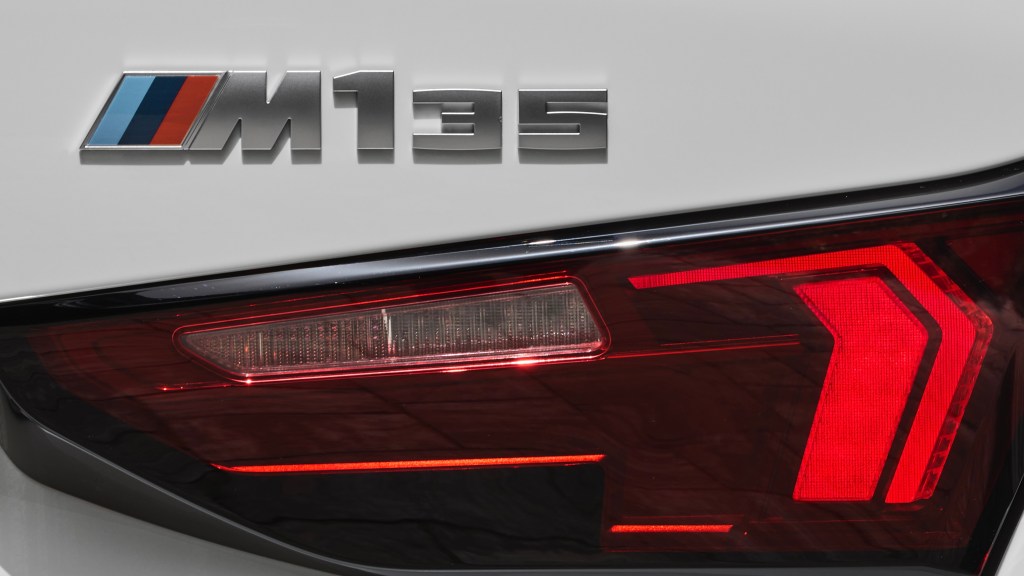
No, the timeline consternation’s focus is what’s missing from the tailgate — the ‘i’ suffix from the petrol-engined models’ badging.
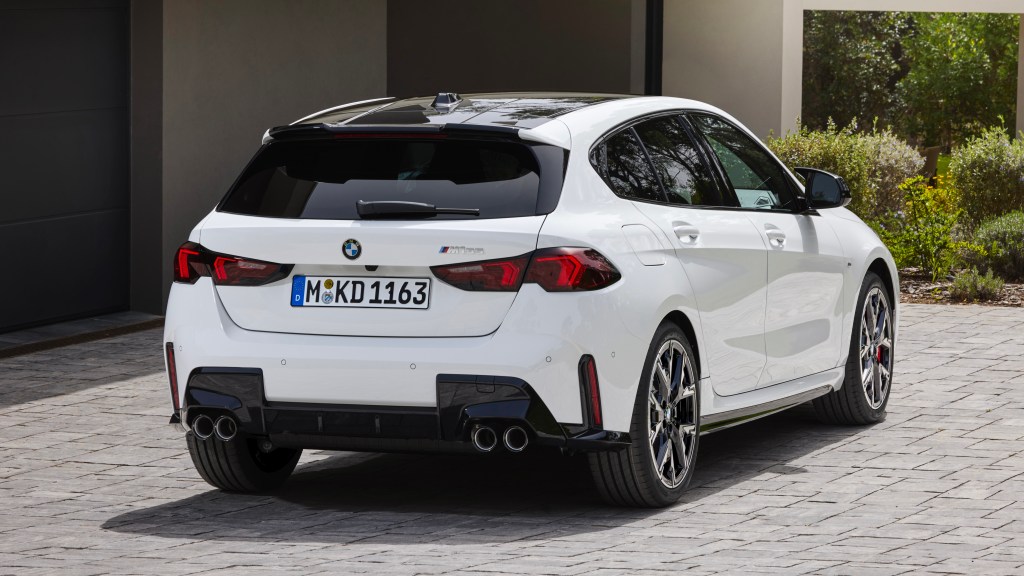
Why ‘i’, man?
BMW’s application of the ninth letter of the alphabet to the end of its model designations dates back to October 1963 on the UK market, with the arrival of the 1800TI — both letters initially capitalised, and shorthand for Turismo International.
However, there was a change in the letter’s significance when the Bavarian firm released the 2000tii in 1969.
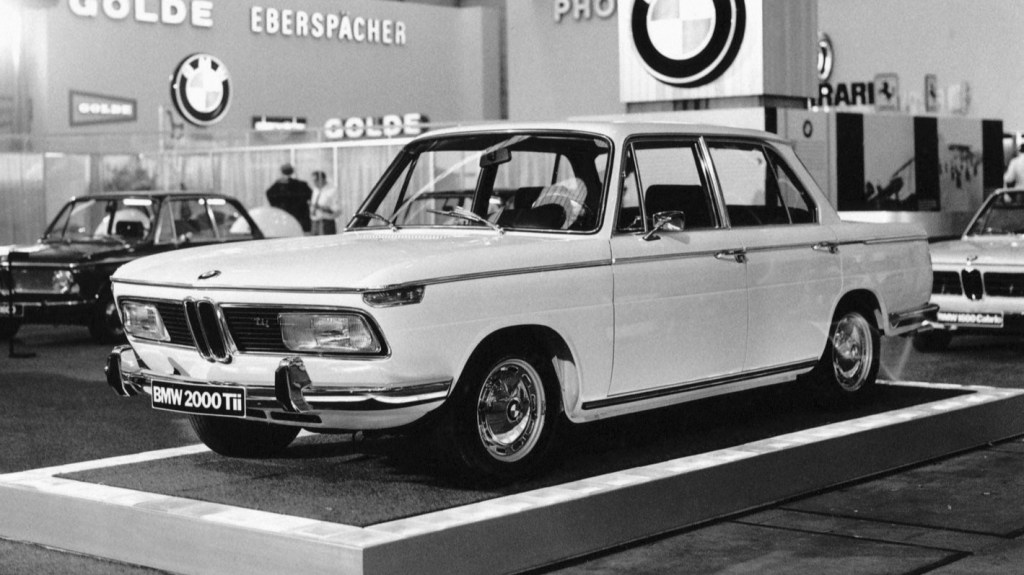
The purpose this extra ‘i’ was simple — fuel injection was still a rarity for most cars with petrol engines then, so the subtle addition of an ‘i’ made a clear distinction between models so equipped and those where induction occurred via one or more carburettors.
British buyers had to wait a while longer for fuel injected BMWs to reach these shores as the 2000tii wasn’t officially price-listed here. July 1971 marked the arrival of larger engine capacity versions of the E3 luxury saloons in the UK, then topped by the 3.0Si. The revised 2002tii followed a couple of months later.
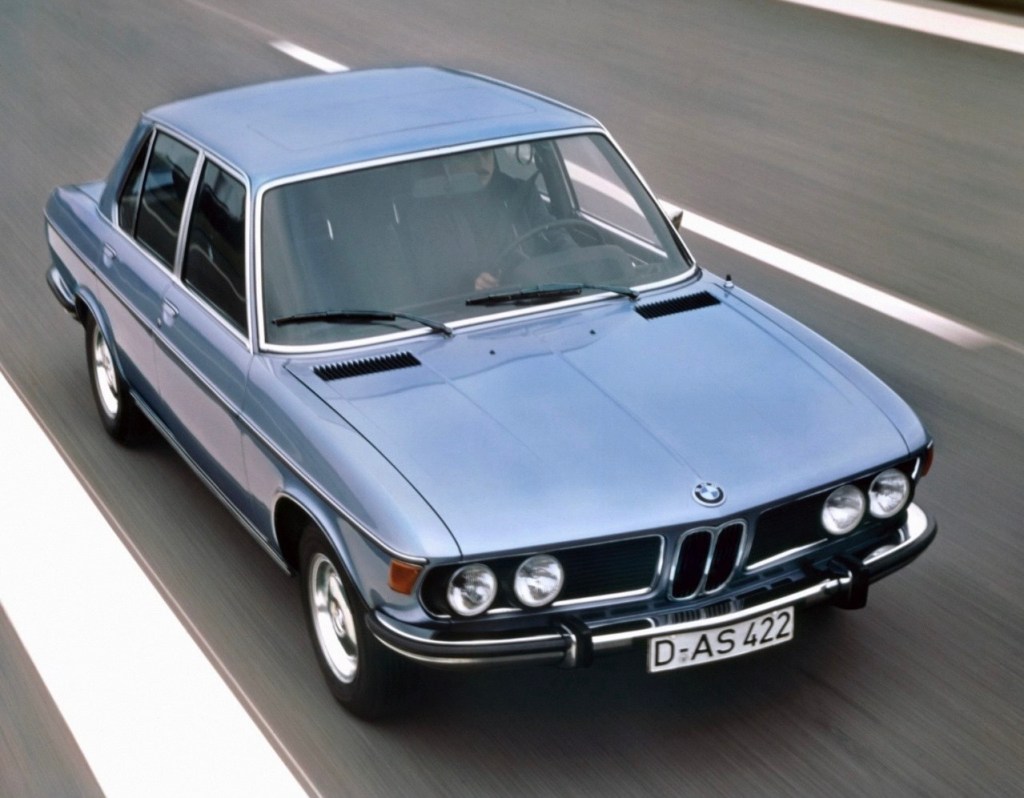
Arguably, BMW’s use of ‘i’ in lower case had such a profound effect that other manufacturers, the motoring press and those involved with automotive data also adopted it en masse to be shorthand for fuel injection.
BMW was also at odds with other German car manufacturers, most of which — at least until the 1980s — shunned the use of an Anglicised initial, opting instead for ‘E’, representing einspritzung.
‘i’ after ‘E’, including after C(atalysts)
In the early-1990s when the EU’s emissions regulations necessitated the standardisation of fuel injection for petrol engines in order that compulsory fit catalytic converters worked properly, the technology’s almost exclusive associations with performance and luxury cars evaporated.
As a result of this widespread installation, Mercedes-Benz revised its model nomenclature during 1993 with the wholesale adoption of its array of ‘Classes’, dropping the ‘E’ suffix from its derivative names at the same time.
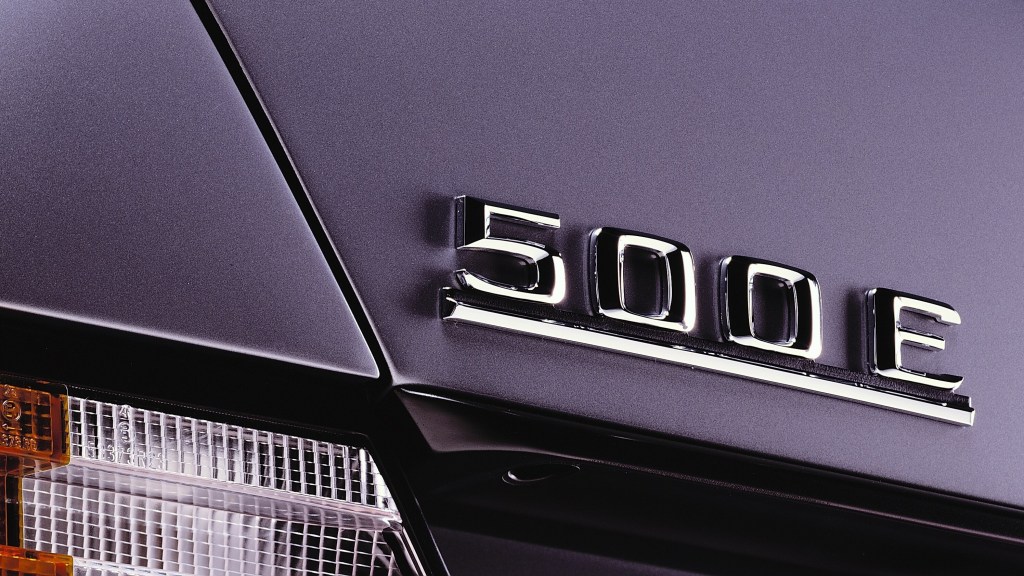
Audi followed suit giving up its ‘E’ tag in 1994 when the hitherto familiar numerical model badges were swapped for the ‘A’-types still used today.
BMW stuck to its guns, though, and ‘i’ was universally applied to its petrol-engined models, apart from a small number which used ‘e’ instead. Those were derivatives that were more focused on economy and efficiency than was normal for the brand, although BMW insisted the ‘e’ was for ‘eta’ — as in the Greek letter, not Estimated Time of Arrival.
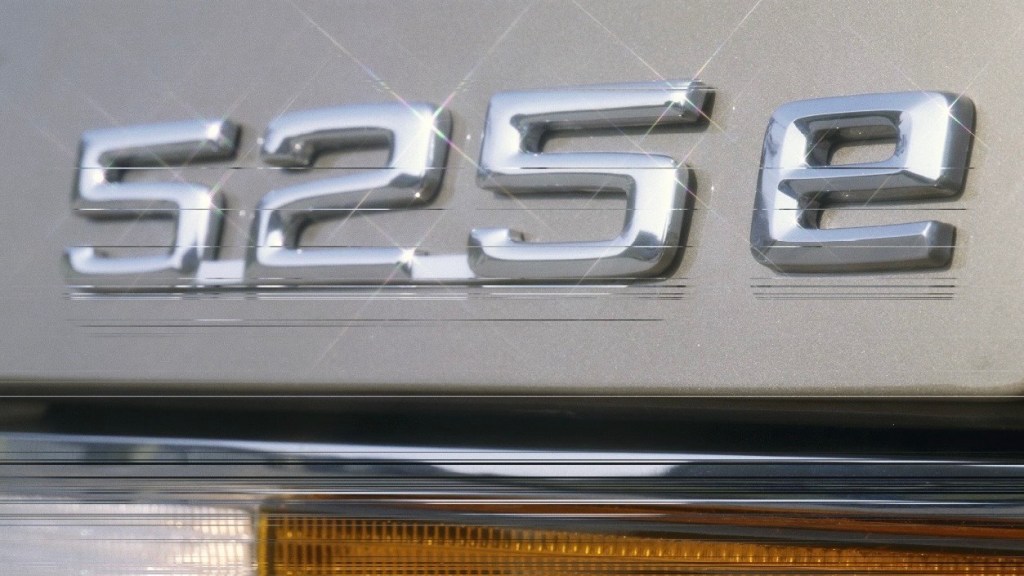
For much of the past decade — and the foreseeable — ‘e’ suffixes have been applied to BMW’s plug-in hybrid models, as an indication of their partially electrified powertrains.
An ‘i’ for an ‘i’
So why change now? Electrification.
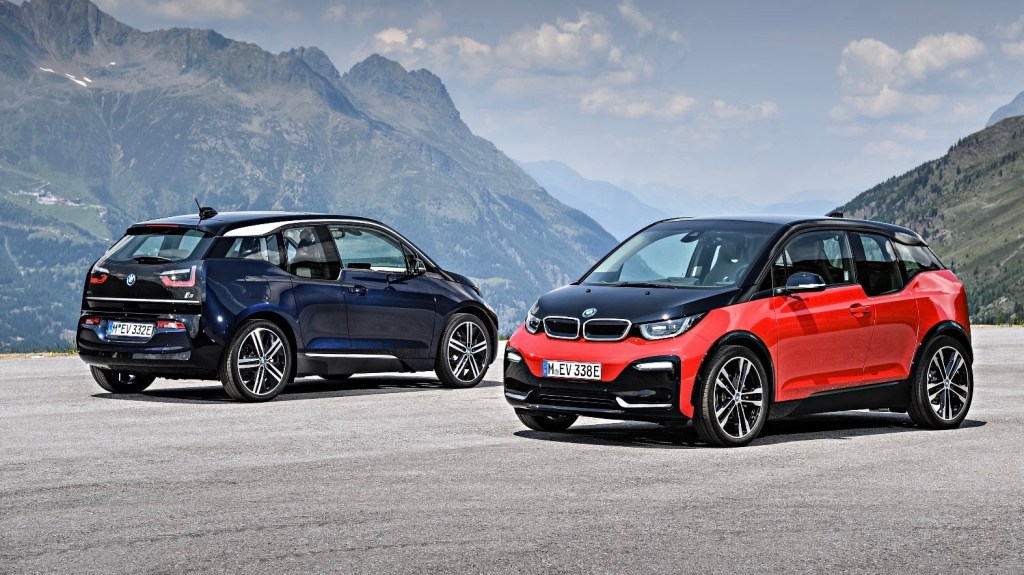
Yes, while most manufacturers now choose ‘e’ or ‘E’ to flag-wave their electrical status, BMW’s uses ‘i’, albeit as a prefix.
As the electric ‘i’ is the one BMW wishes to focus upon, it’s chosen the nipped and tucked 1 Series to debut the sans-suffix, petrol-powered 120 and M135 hatchbacks. Other ‘i’-less 1ers will follow.
Superficially, reducing the number of ‘i’ permutations makes the line-up tidier, but doing so now seems odd.
How so? Well…
- BMW first started using its ‘i’ prefix on the i3, order books for which opened in 2013. So, why wait 11 years if this badge husbandry was so important?
- As full electrification becomes normalised ahead of the 2035 European ban on combustion engine-only cars, it’s a relatively safe bet to assume most manufacturers will quietly drop their electric drivetrain identifiers ahead of that. Coincidentally, BMW has 11 years with ‘i’ as its electric-only moniker before that EU ban comes into play — perhaps it will follow the petrol ‘i’ label’s form book and grace boot lids and tailgates until the late-2060s.
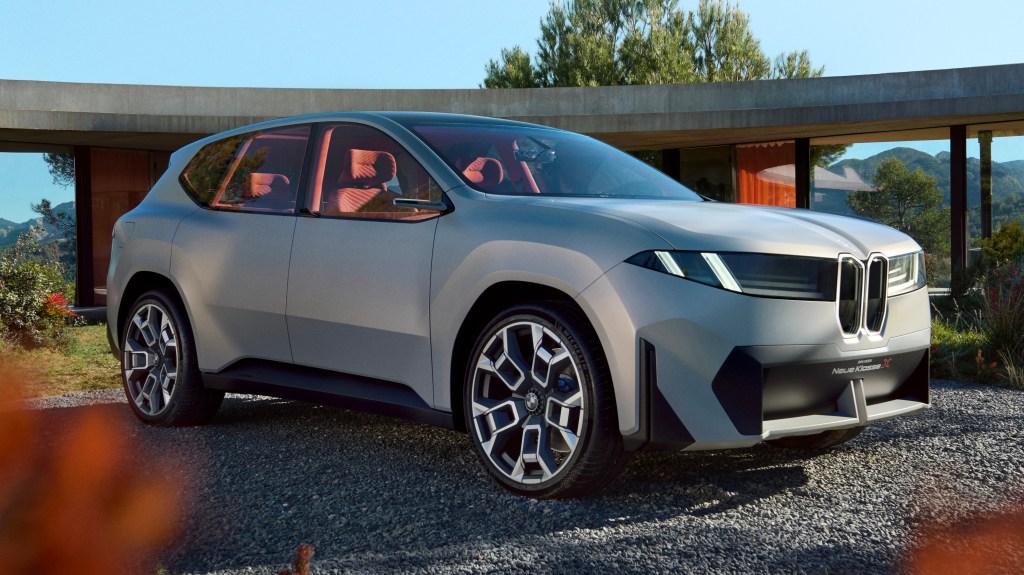
- Perhaps the strangest element of this policy change is introducing it with a facelifted version of an existing range, not least when the production version of the Vision Neue Klasse X — that’ll be the X3 and iX3 replacement — is weeks away from being revealed. The newcomer, which heralds a fresh era of styling language, is surely a more appropriate point to banish a long-standing tradition, further demarking past and future?
Diesel do nicely… At least, they did
While there’s a torrent of woe from petrol-engined fans that the latest iterations of their favoured models are ‘i’-less, diesel supporters have greater reason to feel dismayed.
As the push for zero and ultra-low emissions continues at pace, sales of diesel-engined cars are shrinking fast, not least because manufacturers are strangling their supply before killing them off altogether. The latest 5 Series models are diesel-free, while the newly tweaked 2025 3 Series won’t come with versions that sip liquor from the black pump, either.
Now, along with the facelift, the 1 Series is also free from its diesel shackles.
Hopping onto a tangent that’s not too acutely angled, it’s worth noting that most brands have treated identifiers for their diesel models differently from their petrol siblings.
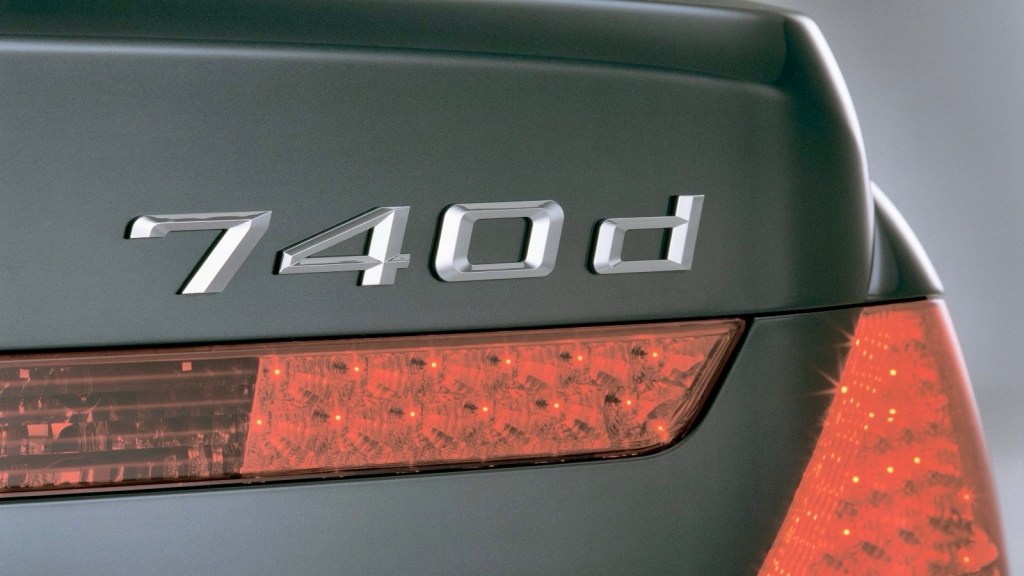
Take BMW as the case in point: diesel engines always have fuel injection, yet no BMW with such a motor has had an ‘i’ in its name.
Why bother if they all do?
Exactly. There isn’t really an argument for doing so, which means with hindsight’s unwavering ability to nail it, the early-1990s consigning of carburettors to automotive history would have been the ideal moment for BMW to mimic its rivals and retire the ‘i’, instead of waiting another 30 years.
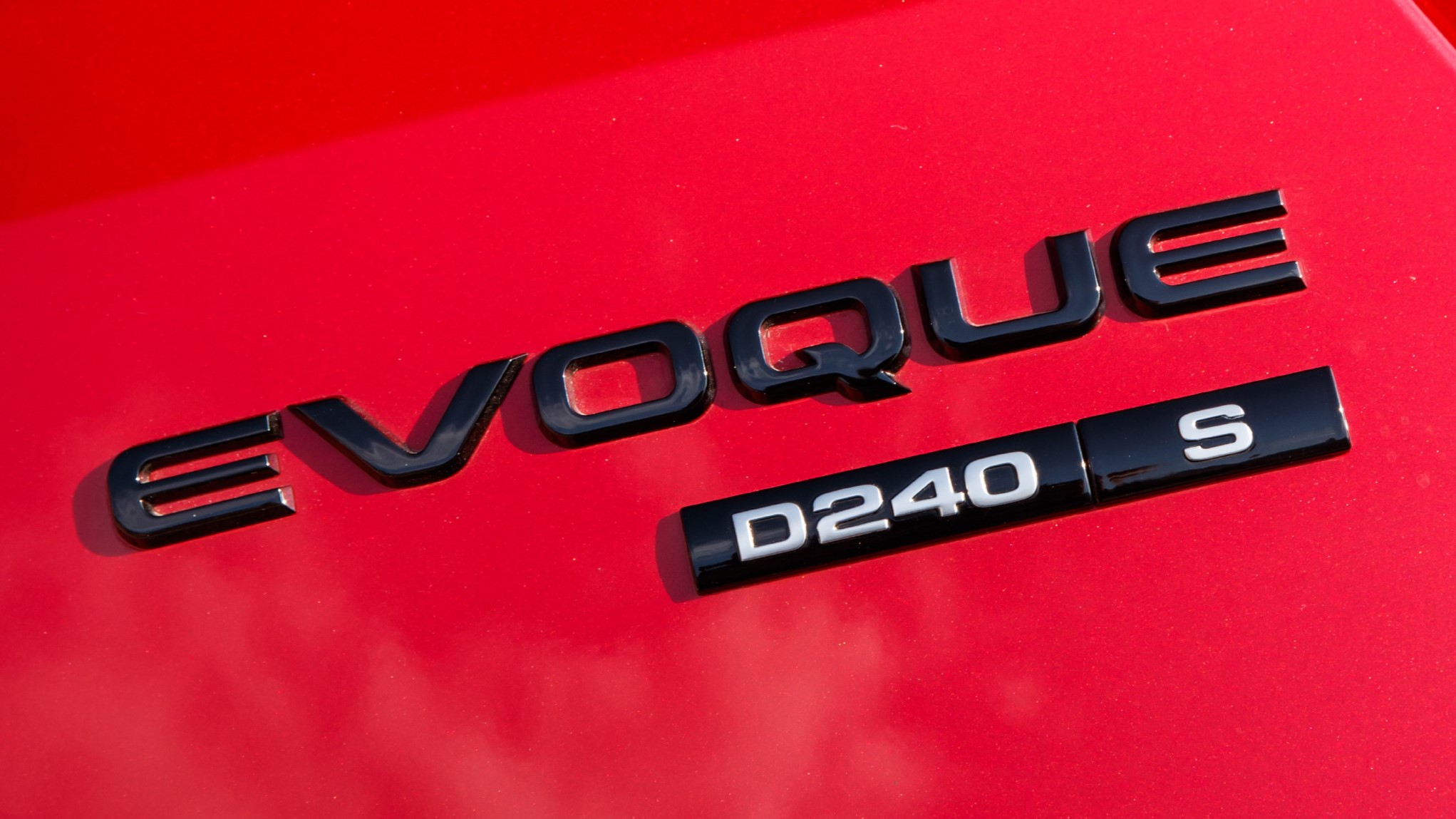
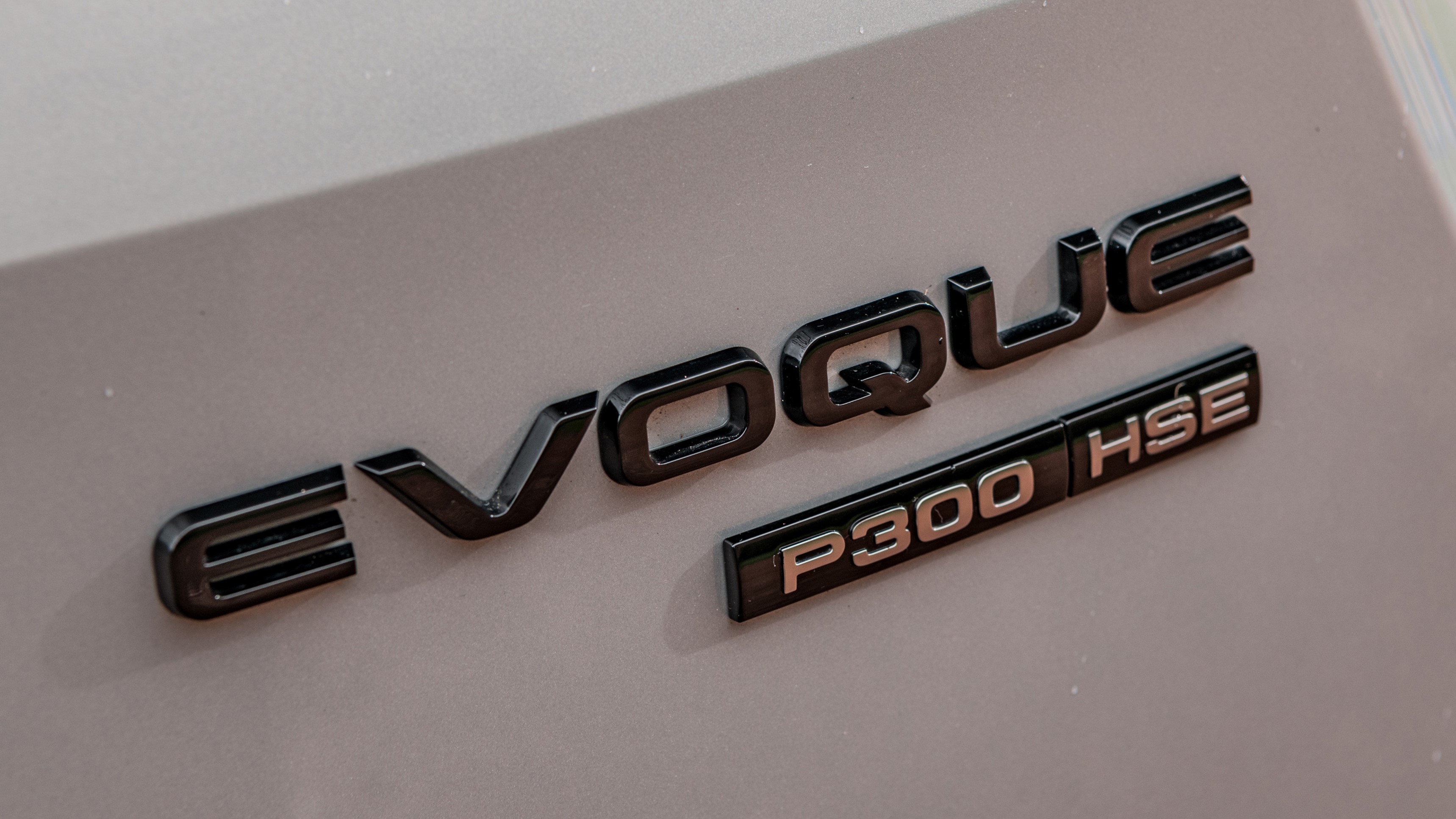
Given diesel was then in the ascendancy, if it was felt there was a need to differentiate between the dominant fuel types with a ‘d’ badge, why not apply ‘p’ to petrols instead of ‘i’, akin to the method adopted by Jaguar Land Rover a decade ago?
Or ‘b’ for a Germanic benzin? Presumably gasoline wouldn’t have been an option given ‘g’ was about to debut as a suffix for models capable of running on petrol and compressed natural gas.
You know what, though, ‘i’ think — sorry, I think — this is all a huge, coordinated distraction from the question we really should be asking, because there’s something far more sinister at play than the ‘i’ drop:
‘WTF is that massive leading number on the latest badging all about??’
Further reading you might also like:
- Impress your friends by telling them the differences between Ford’s Granada Scorpio and Scorpio Granada
- Get that dream job by listing ‘knowledge of the Vauxhall Albany’ as a key skill on your CV
- Discover why your bookshelf needs to be graced by a copy of the Autocar Road Test Record

 The Joy Of Specs
Leave a comment