
This is a good thing.
It’s also remarkable considering that — for now and the next 12 months or so — you can’t even place an order for a brand new car.
And therein lies the essence of its problem — too few people were talking about Jaguar.
Its recently culled line-up barely registered in the collective consciousness of car buyers beyond its ever-shrinking hardcore of loyalists. Declining sales of an ageing model portfolio that couldn’t even make sufficient numbers of potential conquest customers’ shortlists was unsustainable.

Jaguar’s predicament served as a poignant reminder of something one of my uni lecturers said nigh-on 30 years ago: ‘When a brand’s floundering, it’s vital that its custodians make people talk about it. Positive, negative — doesn’t matter — being the topic of conversation is resuscitation-critical. Anything less, then its demise is inevitable.’
Reinvent or fade away
The harsh reality is that too few people care about Jaguar and don’t feel a connection between its image and themselves. Those managing the firm had two stark choices — get its affairs in order ahead of a dignified marque retirement or plan for something radically different.
Jaguar’s bosses chose the latter. This should be applauded, not least because the former is the easier and far less costly option, although having ‘oversaw the smooth withdrawal of a brand’ is hardly CV gold. Their decision doesn’t guarantee success, but if you’re in the game you at least have a chance of winning it.

The company’s methodology for this wholesale reimagining has been publicly signposted for some time. Yet if further proof were needed about how far from people’s minds Jaguar had drifted, recent weeks confirm that for the majority of commentators, many of whom claim to be impassioned enthusiasts, this was evidently new news.
Radical change incoming
That Jaguar’s switching to full electrification shouldn’t be a shock given that’s the whole industry’s intended trajectory, albeit at a slower pace than had been planned for.
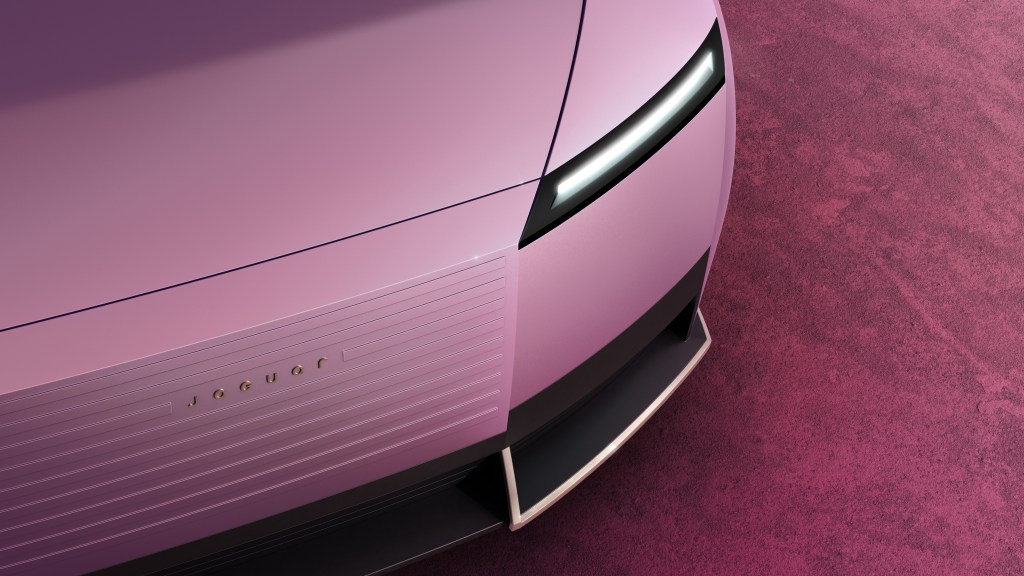
The radical aspects planned for Jaguar are that the much-reduced array of models will be significantly more expensive and promise to look nothing like any Jaguar has before. That ‘Copy Nothing’ corporate mantra rather hinted that the new cars would also appear visually different from what other manufacturers are producing — the Type 00 styling concept previewing the reimagined Jaguars’ ethos confirms it.
Sure, some serial Jaguar customers will doubtless adore the styling reinvention, but it’s paramount that those who wouldn’t have considered one of its previous models have their attentions inescapably grabbed.
Enormously escalated pricing is fine so long as it feels justified — the new cars will have to demonstrate equally scaled-up improvements in on-board technology, material quality and manufacturing standards for new customers to commit. For the majority of the Jaguar’s existing clientele, with six-figure (Sterling) price tags, the newcomers will be beyond their financial reach, certainly when new.
This is very much a reset. It’s so seismic a shift that highlighting the fact as early as possible to anyone who wouldn’t have previously considered a Jaguar is a sound decision, especially now that the old range is no more.
Suddenly everyone’s a fan of ‘old’ Jaguar…
Somewhat ironically, of the processes involved with signposting this brave new era, the methodology employed is as traditional as a highly polished walnut veneer dashboard:
- Overhauled brand marks? Absolutely.
- A wholly different vibe to the promotional messaging? Why, of course.
- A concept car that heavily hints at what’s to come? Dear boy, we’re not amateurs, you know.
Even a sales hiatus between the past and future ranges isn’t unheard of — BMW has played this stroke twice with both MINI and Rolls-Royce with such deftness and sales success it’s churlish to suggest either marque was tarnished in the process.
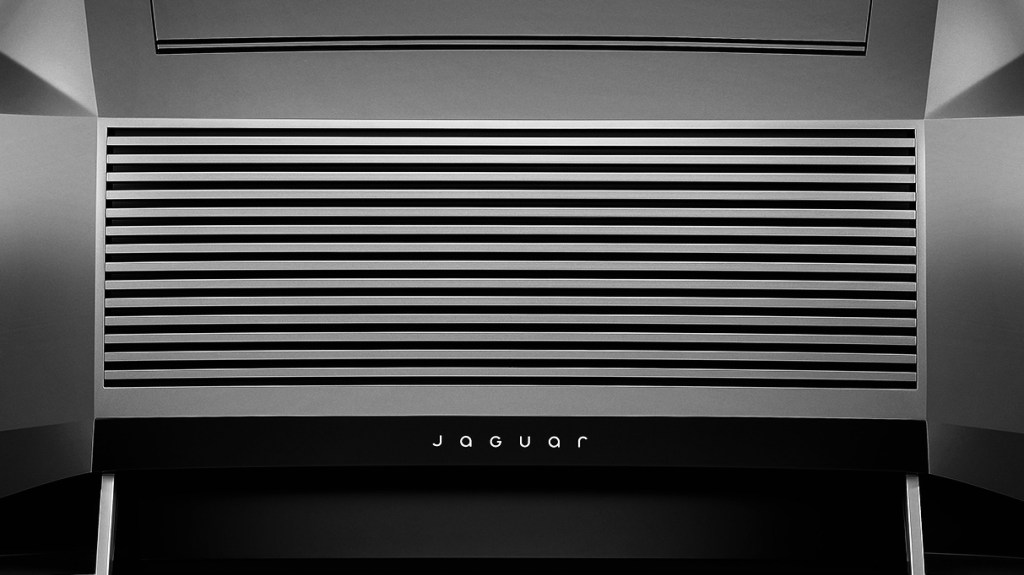
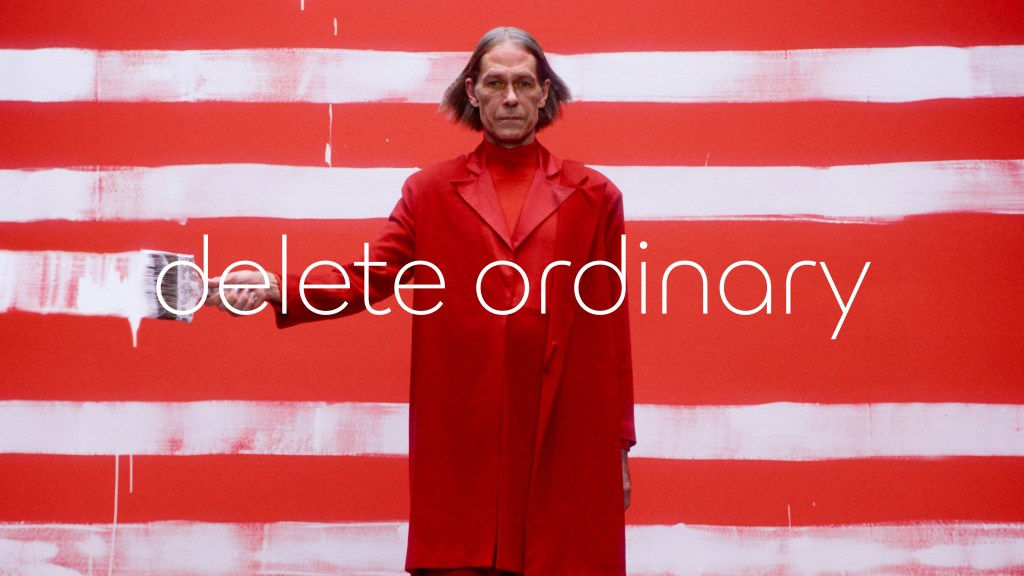
Yet, even before the Type 00 concept was revealed in full, the carefully curated previews, together with the new logos and the direction-change teaser vid — oh, especially those 30 seconds of footage — a worrying number of people appear to be on the brink of a serious medical episode in response to what they’ve been exposed to.

Scores of articles, videos and social media posts suggest that, at best, critical thinking is a commodity that’s in concerningly short supply. Far uglier are comments from those who are seemingly aggrieved at the notion of future Jaguars being purchased by androgynous non-caucasians.
And those prevalent themes are..?
Alienating Jaguar loyalists
There are people who’ve regularly replaced one brand new Jaguar with another, and have done so for years. Not enough of them for the company to enjoy rude financial health, but they enjoyed the cars, appreciated the styling and felt at home with the brand.
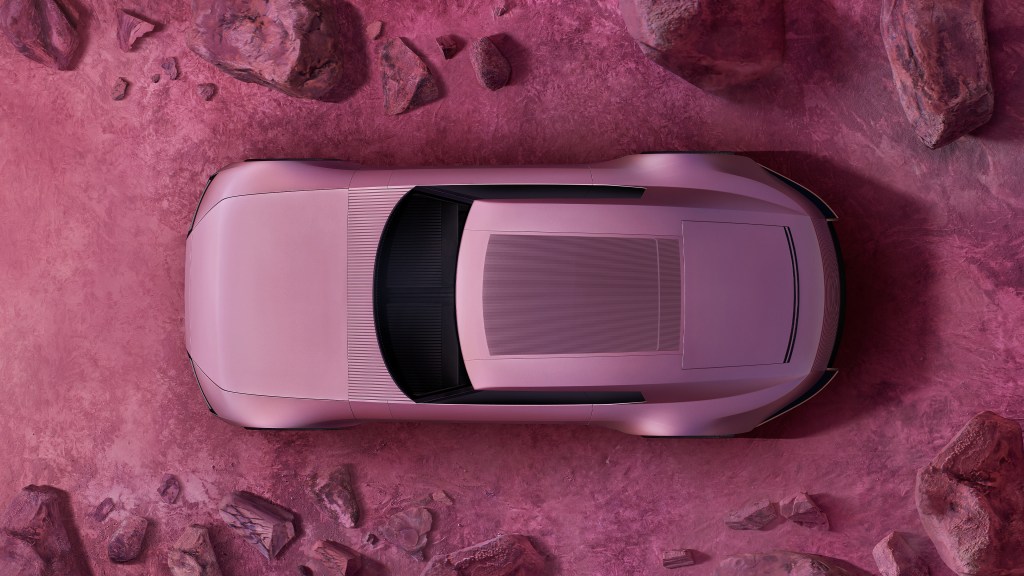
They’ll be dismayed that they probably can’t afford one of the new ones — assuming they like the look telegraphed by the Type 00 — so will feel automotively homeless.
While that’s disappointing for them, it doesn’t escape the inconvenient truth is that fewer and fewer people shared their brand perspectives — launching new, direct replacements for the now-departed range and expecting the sales decline to miraculously reverse is misguided to say the least.
Bring back Daimler
Seemingly, the argument here is that from the 1960s onwards, Daimlers were almost all pricier, gussied-up Jaguars, ergo that brand should be reintroduced to cover the more affluent end of the market instead.
This rather overlooks a rather crucial factor: Jaguar’s owners, Tata, doesn’t own the rights to use that name globally.
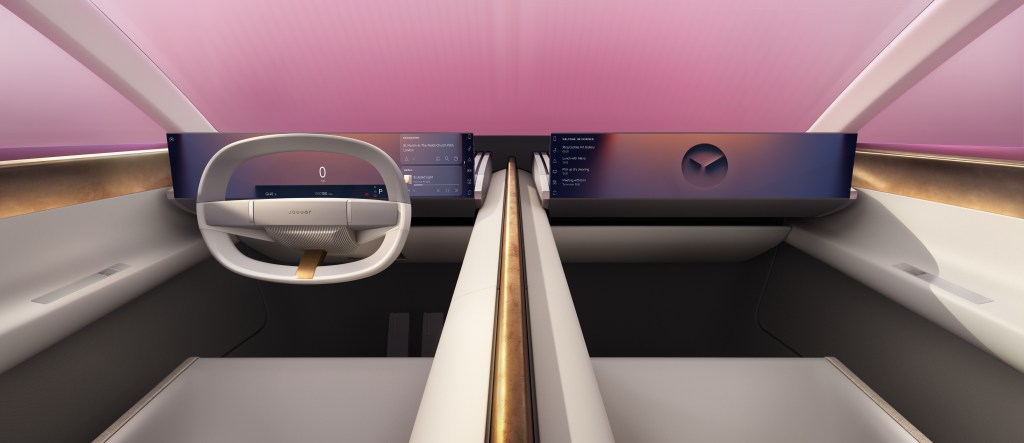
If people aren’t buying trad-trimmed gentlemen’s clubs as it is, why would they suddenly be interested one where all the Jaguarness that put them off in the first place is amplified up to 11?
Relaunch the E-Type
I like E-Types. I’m not alone when I say I like the E-Type’s successor, the XJS. The same’s true of its replacement, the XK and the XK after that. I’m also a sucker for the F-Type, another gang I’m not the sole member of.
What none of them were, however, were big sellers, even during periods when coupes and convertibles were far more popular than they are now. Focusing all of its efforts on another evolutionary take on the E-Type formula in today’s market would do little else other than sealing Jaguar’s fate even faster.
Jaguar’s cancelled itself
Hmmm, it hasn’t, though, has it? Its entire corporate background can’t unhappen. Records, results, news stories, reviews and so forth all remain.
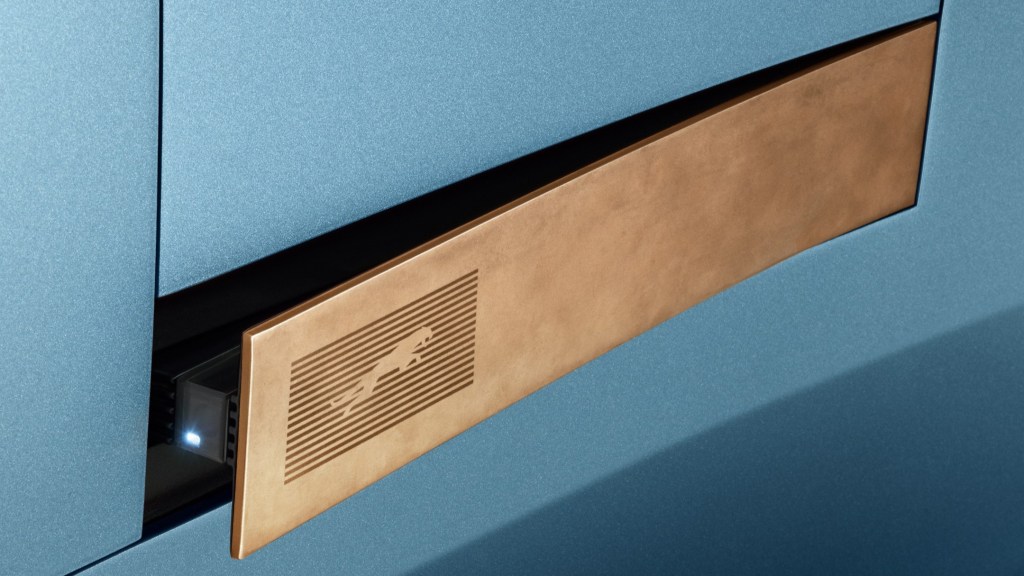
More accurately, all brands, automotive ones especially, cherry-pick elements of their past to act as pillars for supporting whatever marketing activity is ongoing at any given moment. No company uses everything it did previously for that because much of it will be irrelevant to the messaging in play.
Jaguar’s management feels what’s coming next is so fresh that it doesn’t need overt connections with past glories — that may change in the future, it may not. Its multiple Le Mans 24-hour victories had hardly been a major showroom draw over recent years and are of no greater importance to the forthcoming range of cars than its origins manufacturing motorcycle sidecars are.
Where’s the growler?
Brand marks exist to be points of recognition first and foremost, so anything that’s significantly different from what’s been employed previously takes a long time to generate familiarity.

Given the colossal media exposure Jaguar’s had since its next epoch was announced, many months — even years — will have been trimmed from that process. Whether a logo is liked is of lesser importance than how easily it’s noticed across a multitude of settings while still being linked to a brand or products in our minds within milliseconds.
Have any of us genuinely not bought or used something that would have wholly satisfied whatever need we had at the time purely because we thought the logo was cack? If so, do get in touch because I’d be fascinated to learn how that decision enriched your life.
Jaguar’s ‘gone woke’
As far as I can ascertain, ‘woke’ has evolved from its 1930s origins relating to being aware — of and actively attentive to — social and political issues affecting African-Americans in the USA, to a more global perspective concerned with any person or group suffering oppression. That sounds rather like ‘compassion’. So, what’s being said here exactly — that unlike previously, Jaguar’s now compassionate, is that it? And the incontrovertible proof that it wasn’t before is what, exactly?
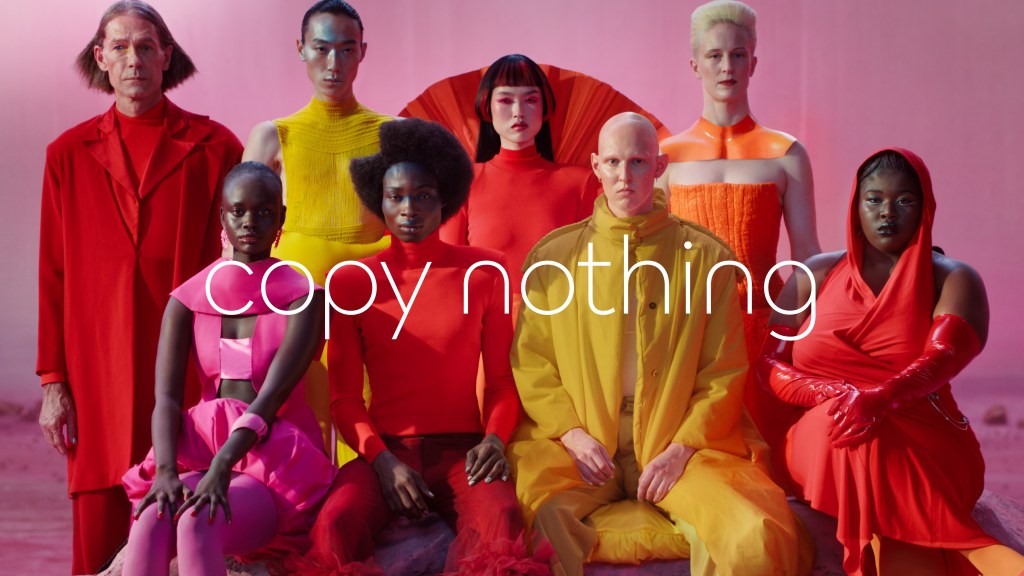
Or is it something else — are you worried that the brand will be sullied if it encourages the Global Majority to be tempted by its wares? I’m curious about how well you took the news of Jaguar’s 2008 takeover by an Indian corporate giant. Or was the lack of overt, red-blooded masculinity more troubling for you? Perhaps you’re worried that by driving a Jag your unquestionable universal attractiveness to every gay guy will somehow be further amplified? Fella, be real — if your hands had any say in the matter, you wouldn’t even be on the receiving end of a wank.
Its purpose isn’t to promote a specific car, it’s highlighting that this is a brand that’s about to become something wholly different. Loving or hating it isn’t that important either — it’s about challenging everyone’s perceptions of what ‘Jaguar’ represents.
The Type 00 doesn’t look like a Jaguar
Unless you’re one of a select number of JLR employees, nobody knows exactly what the new production Jaguars look like. What we do know is the concept revealed in Miami previews various elements of what to expect when they’re revealed.
Sure, there’ll be surprises here and there, but overall the cars themselves won’t shock — that was the Type 00’s role, building the foundations for the styling revolution, allowing the showroom-ready trio to remain bold yet instantly recognisable as new Jaguars.
Just like the new logo and brand teaser video, the Type 00’s deliberately different, purposely polarising and, to these eyes, all the more fucking fabulous for it.
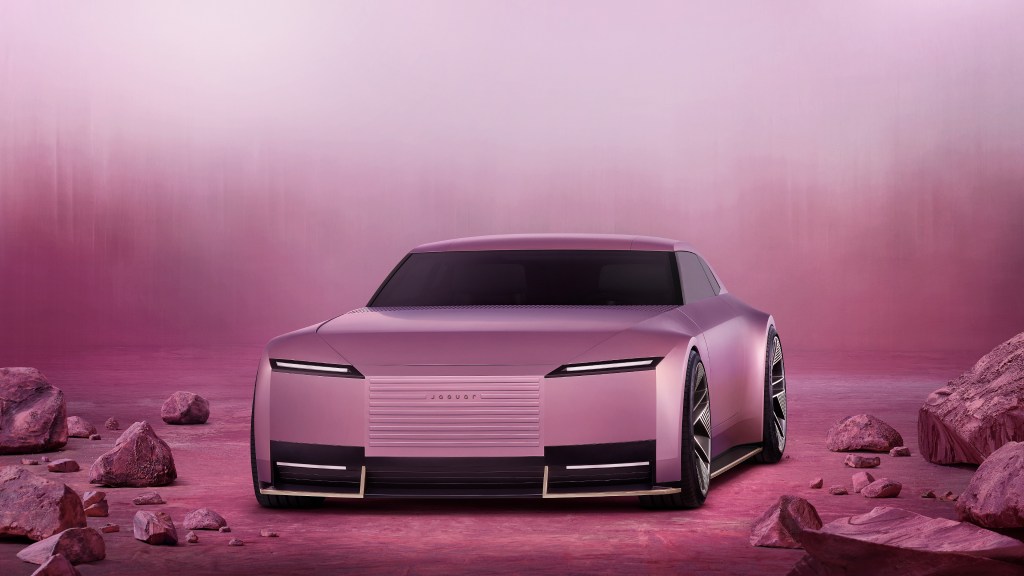
Does it look like a Jaguar? If there was a set answer to that question it’d be easy to answer, but this is a brand that’s metamorphosed its look multiple times since 1945. Take the grilles alone — rectangular, near-square and oval of both vertical and horizontal persuasions have all become part of the Jaguar tradition.
Most common of Jaguar’s styling hallmarks are muscular rear haunches and… Yep, the Type 00’s got those.
More than anything else, the Miami concept references something older than the Jaguar name’s existence. Far from ignoring its history, the Type 00 delves deep into its origins as a manufacturer of its own cars, paying homage to the SS I.
Oh, and that Rodon Rose paintwork? If it’s not purely to agitate the fragile masculinity of those still puce-faced from everything else NeW jAgUaR, I’ll be bitterly disappointed.
Is there life in the Big Cat yet?
Make no mistake, Jaguar was dying and by carrying on as it was, the end would have been sooner rather than later.
This period of pivotal change could resuscitate it — if the Type 00 is truly a portent of the marque’s future, there’s every chance it’ll thrive.
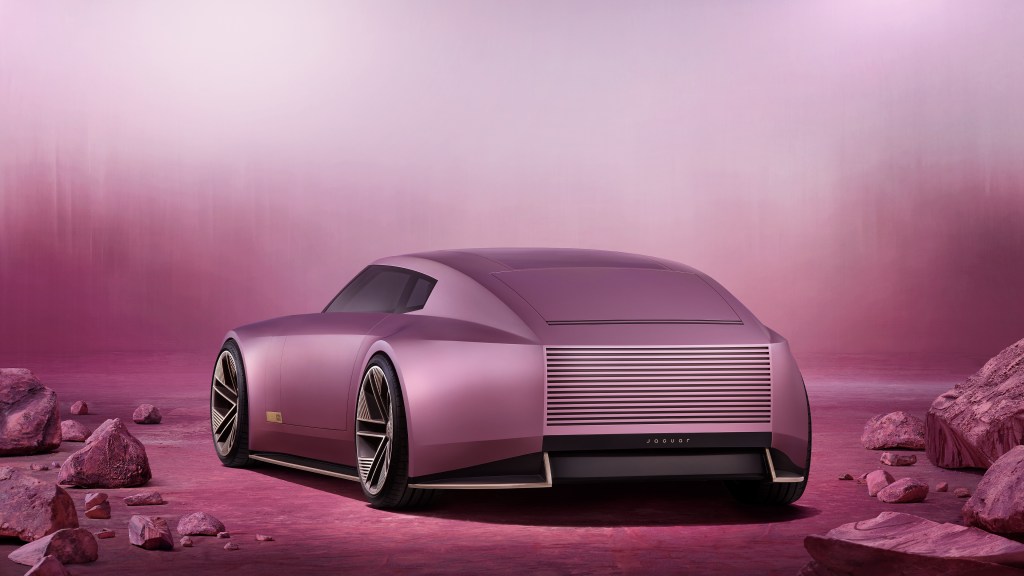
The irony of those bemoaning its illustrious past has been ‘forgotten’ is that they can’t see they’re living through the most significant period in Jaguar’s much-storied history. So far.
But long before motoring journalists write celebratory features about Jaguar’s icons of the second quarter of the 21st Century, PR undergraduates will be analysing case studies about the colossal scale and scope of 2024’s brand rebirth in envious wonder.


 The Joy Of Specs
Leave a comment