

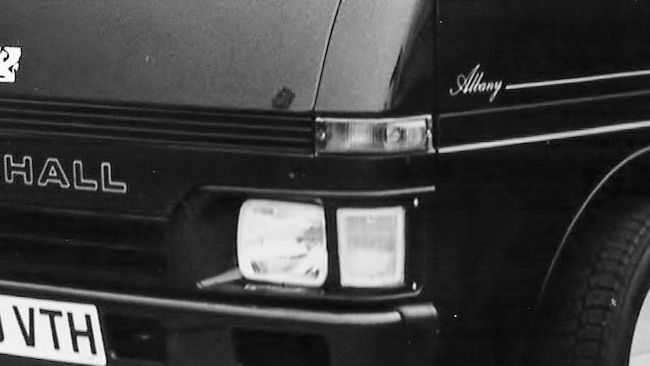
This series shines a spotlight on cars which are frequently forgotten, misremembered, misunderstood or maligned, many of which were unique to the UK market.
Whether you learned to drive in a Nova or have fond memories of childhood days out in your parents’ Cavalier, the likelihood is a roster of Vauxhall names – long-past and shinily present – could be read aloud with the majority of them triggering memories in the public’s collective psyche.
Yet before the announcer had progressed beyond the first letter of the alphabet, there would an audible murmur of confusion amplified by much shoulder shrugging, before someone would raise their hand aloft to question ‘what on earth is a Vauxhall Albany?’
You’ve not heard of it either? Permit me to enlighten you
Despite Vauxhall being one of the most storied marques in British motoring history, with nameplates such as Corsa and Astra strongly resonating well beyond those ensconced in the automotive scene, the Albany has largely escaped attention, even with those who consider themselves ‘car people’.
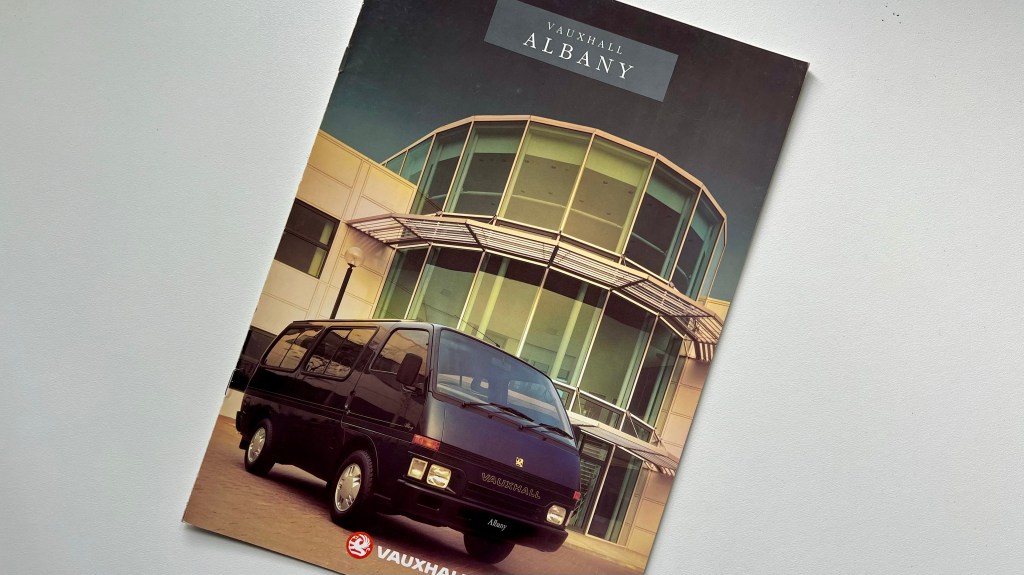
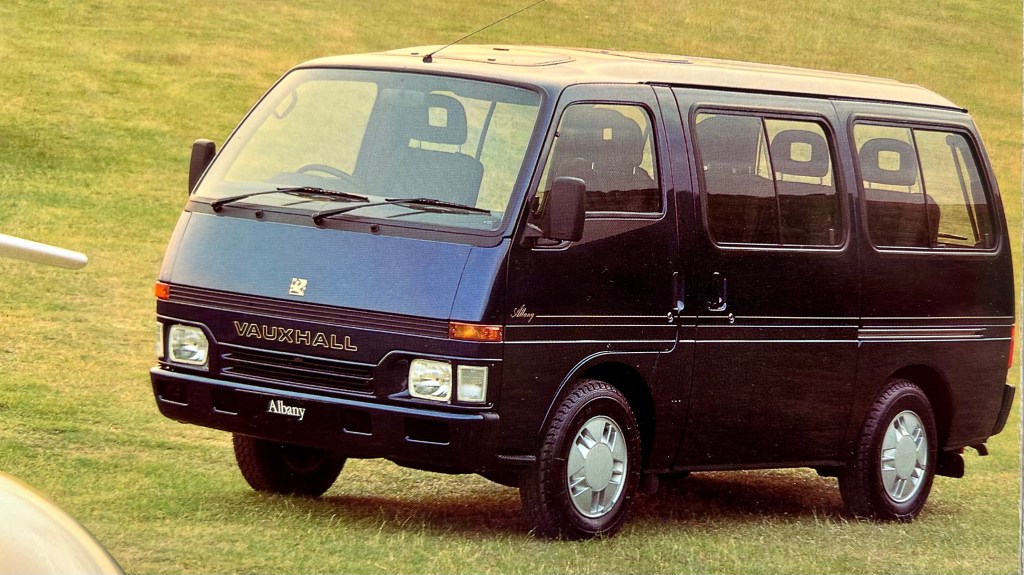
Not only is it one of the rarest models to wear the Vauxhall badge, with scarcely any surviving today, this 1990 debutant was also the brand’s first mid-engined production car, a decade ahead of the Lotus Elise-based VX220.
But sports roadster this wasn’t. Its only aspect that could claim to be remotely racy was that the contemporary Astra GTE’s upholstery was employed to trim the Albany’s seats. All seven of them.
Seven? So the Albany was an MPV…
Kinda, yes.
Wind the clock back three-and-a-half decades and MPVs – or people carriers as they were often termed at the time – were gaining a foothold with families outgrowing traditional hatchbacks and estates.
While some manufacturers dove headfirst into producing exceptionally spacious cars, such as Renault’s Espace and Mitsubishi’s Space Wagon, others dipped a cautious toe in the water with plushed-up versions of their existing vans, as demonstrated by Toyota’s Space Cruiser and Volkswagen’s Caravelle.
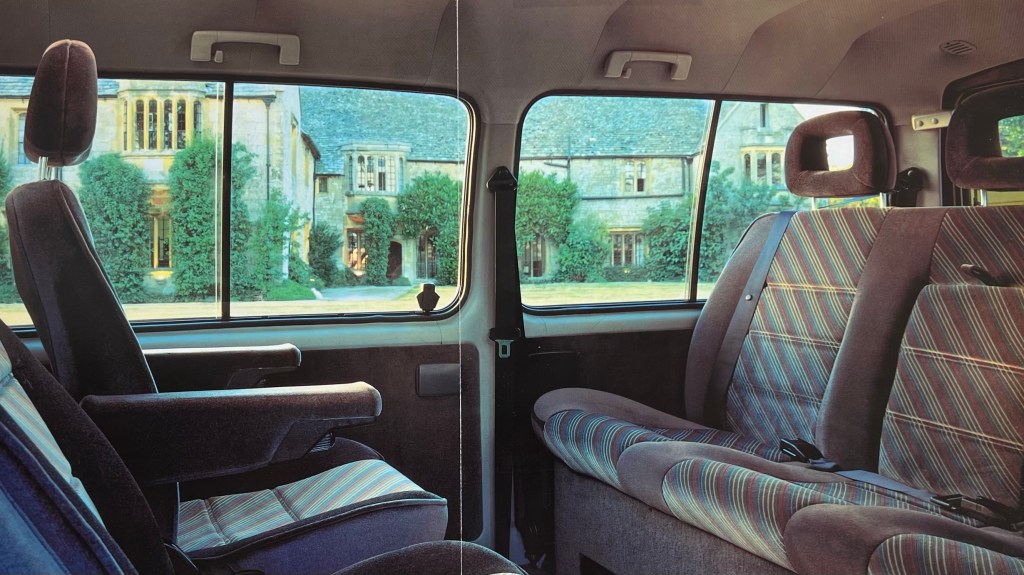
It was this latter, less expensive route Vauxhall took with the Albany, but in a far less convincing fashion. Aside from the aforementioned velour-heavy cabin and almost every square-inch of exterior black plastic now coated in lustrous metallic or pearlescent paint, it remained little more than the existing Midi commercial vehicle.
Hang on, the Midi didn’t even start life as a Vauxhall!
Indeed not. Production of the Midi van, complete with forward-control, where the cab’s occupants sat over the front axle with the engine nestled between the seats, began in Luton in the mid-1980s.
Initially branded as a Bedford, as was the norm for General Motors’ commercial vehicles in the UK, a change of policy saw that marque retire in 1990, with Vauxhall taking over.
Even before it appeared in the UK, what was to become the Midi had already been manufactured in Japan by GM’s then partner Isuzu for five years, meaning that at the time the Albany went on sale the basic design was already a decade old. Ancient in automotive terms even by the standards then.
Hit me with some Vauxhall Albany details
If you’re imagining a torquey turbo diesel would fit the bill for hauling around a family of seven and their luggage, then prepare for disappointment.
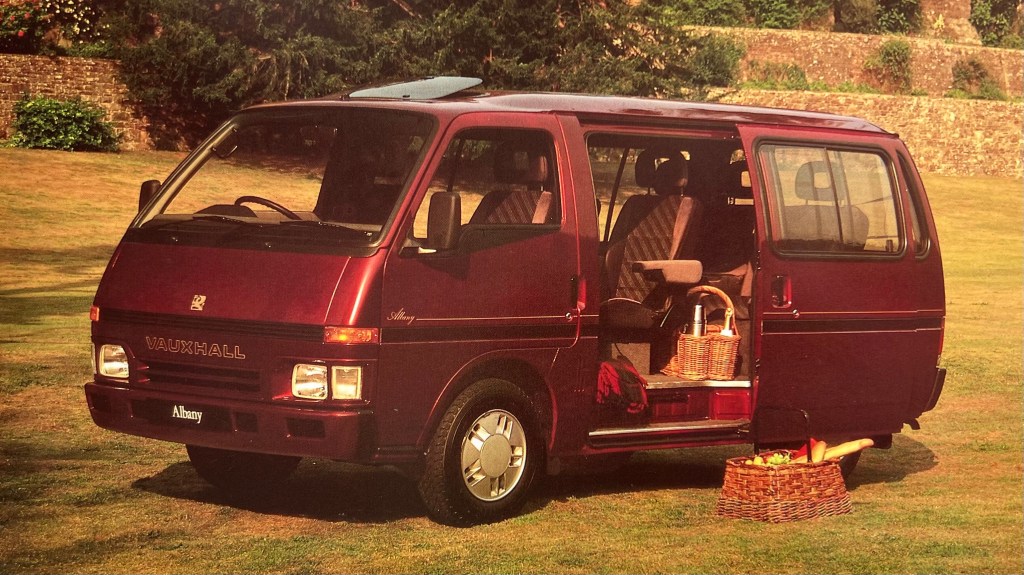
Propelling the Albany was a naturally aspirated 2.0-litre petrol producing a heady 82hp. Performance figures weren’t referred to in the launch materials, presumably as it was deemed unimportant to its would-be buyers, unlike the wood veneer dashboard trims designed to chime with customers looking for a seatier alternative to ‘many top-of-the-range cars’.
Windows in the front doors were electric, while those for rows two and three slid manually; a pair of pop-up sunroofs permitted more natural light into the Albany’s interior.
Access to the rearmost five seats was via a single sliding door on the nearside, while the pair of captain’s chairs in the middle row could be rotated 180-degrees for a more sociable experience. But only when the Albany was parked as they didn’t have integral seatbelts…
All of this would set you back £15,200 in September 1990, or approximately £36,000 in today’s terms (at the time of publication, using the Bank of England’s inflation calculator).
So why is the Vauxhall Albany largely unknown?
Well, it’s hardly Vauxhall’s finest hour, so it’s unlikely to shout about it too much.
Plus within a year of it going on sale, Mitsubishi and Renault launched revamped versions of the Space Wagon and Espace, respectively and Toyota’s Space Cruiser gave way to the space-age Previa.
Not only did the Albany feel pensionable in comparison, its interior wasn’t as flexibly adaptable and there was more awareness of the safety implications of those sat up front’s legs being at the forefront of the action in a head-on collision.
Further hampering matters was a lack of column inches of coverage the motoring press at its launch, with few in-depth reviews published. Even automotive data companies weren’t sure where it should reside; Albany’s often treated as a Midi trim level, so it’s buried among the vans and minibuses.
Inevitably, after a couple of years is slow sales Vauxhall quietly retired the Albany, but the Midi commercials soldiered on for several more. Despite Vauxhall dusting down the Frontera label for use on a new SUV in 2024, it’s unlikely we’ll ever witness a Mark 2 Albany.
Some things are best left in the past, but it doesn’t mean they deserve to be forgotten.


 The Joy Of Specs
Leave a reply to wildly68148e8e9a Cancel reply